
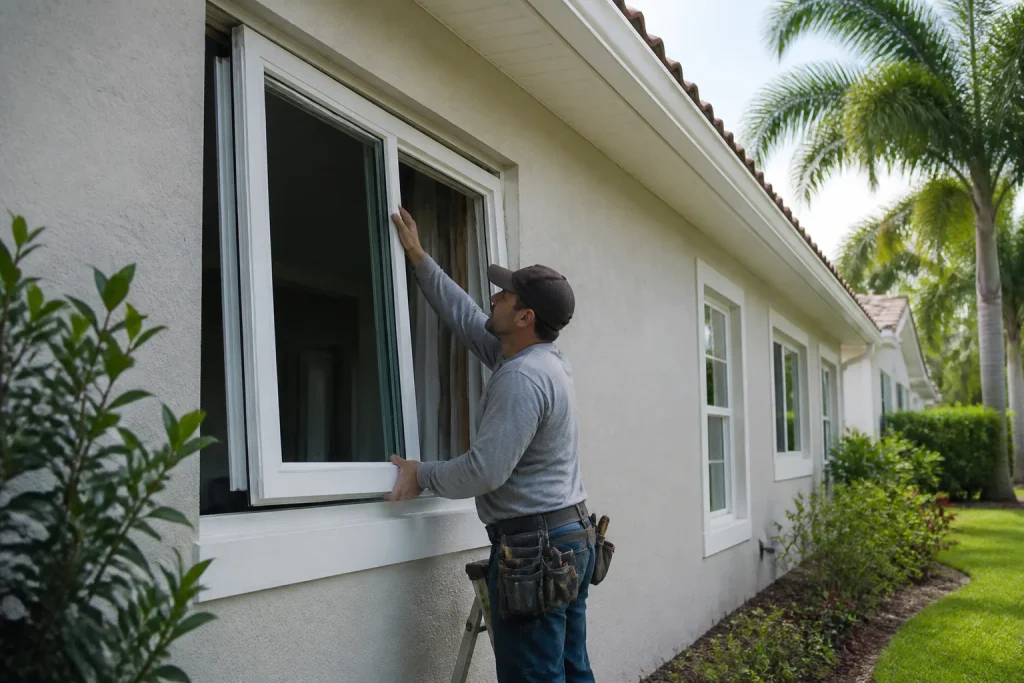
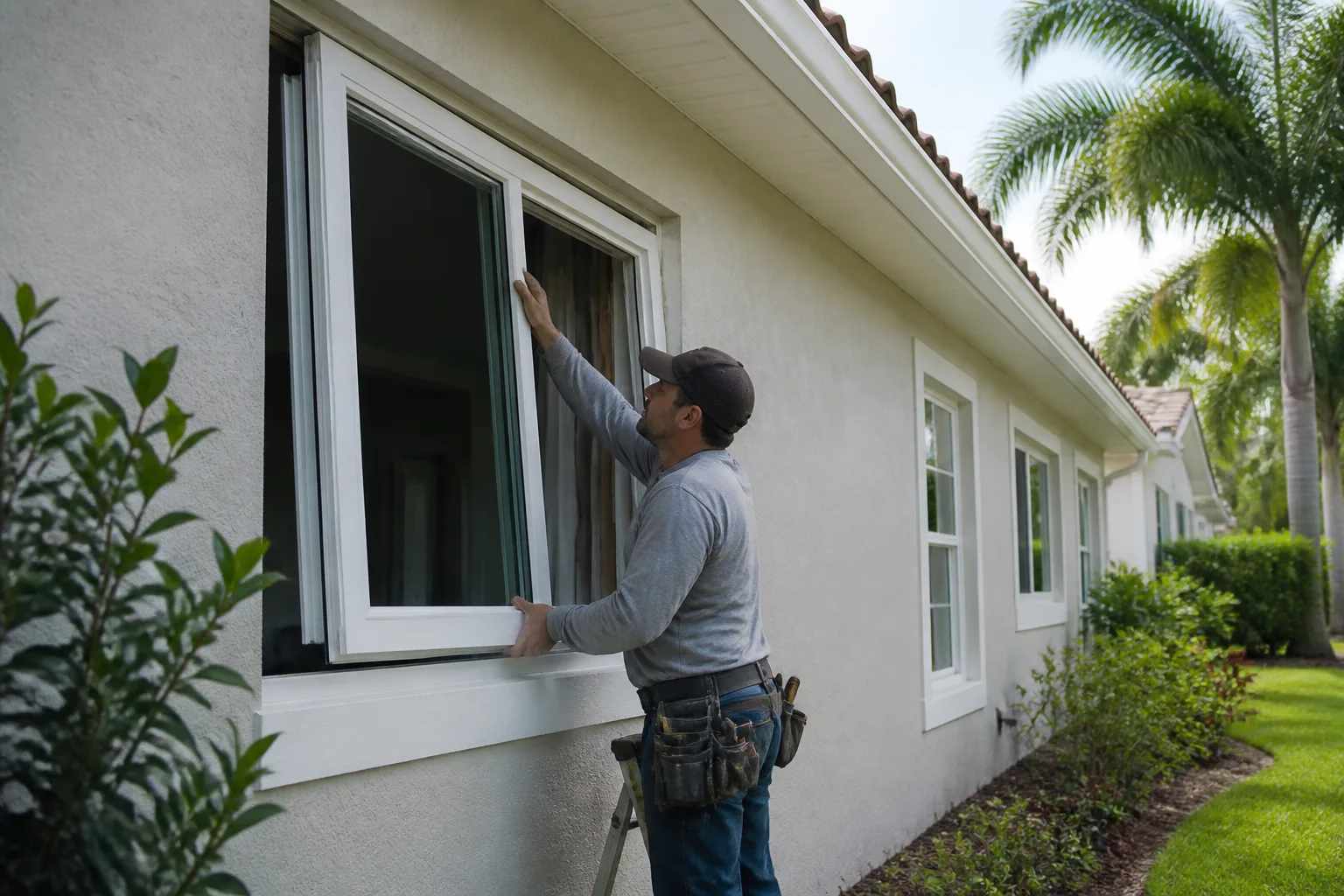
CWS Window Installation in Oakland Park: A Homeowner’s Guide
A CWS-rated window only performs to its label when the rough opening, flashing, and sealant work behind it meet Broward County’s wind-load and humidity requirements. The rating certifies the glass and frame assembly, not the install. In Oakland Park, where a coastal wind zone meets nine months of damp heat, that distinction is the difference between a window that holds for 30 years and one that fails in 6. If you’d rather not sort through the spec sheets yourself, call TruePane Windows & Doors at (863) 264-3649 and we’ll walk you through it.
What a CWS Rating Actually Certifies - and What It Doesn’t
Most homeowners assume a CWS designation means the entire window system was tested as one unit, installation included. That assumption is wrong, and it’s an expensive one in Oakland Park. The CWS rating covers the glazing assembly: the glass, the frame extrusion, the interlock between sash and frame, and the hardware’s performance under simulated wind and impact loads. What it does not certify is the buck, the flashing sequence, the sealant bead, or the way the frame is shimmed and anchored to the block or wood buck behind it.
Here’s the gap in plain terms: a CWS window can pass its laboratory rating with a 160-mph wind load, but if the installer sets it in a rough opening with rotted buck material or skips the sill flashing leg, the opening leaks at 45 mph. Not because the window failed. Because the install did. We’ve pulled apart openings in Oakland Park where the window itself was fine and the wood behind it crumbled like wet cardboard. The label was never the problem.
When you compare quotes for window installation in Oakland Park, ask each contractor one question: “What does your flashing sequence look like at the sill?” If the answer is vague, that tells you everything the spec sheet won’t.
The Five Rough-Opening Conditions a Broward Inspector Will Flag
Before a CWS window ever goes in, the rough opening has to be right. Broward County inspectors look at the opening the way a glazier does: as the foundation of the whole assembly. Most homeowners never think to check these conditions before the crew arrives, and by the time the inspector walks the job, the trim is already on and the problems are hidden. Here are the five conditions that fail openings in Oakland Park most often:
- Buck rot at the sill corners. The sill is where water sits longest after a storm. If the wood buck corners show any softness, the anchor screws have nothing to bite into. The window may feel tight on install day and sag within a season.
- Un-flat opening tolerance. A rough opening that’s out of plum by more than 1/8 inch over 4 feet will transfer stress to the frame once the wind loads hit. The window binds, the seals shear, and the operator stains the track.
- Inadequate opening-to-panel clearance. CWS and comparable impact lines spec a minimum gap between the buck and the frame for expansion. We’ve measured openings in Oakland Park with less than half the required clearance. In August, the aluminum expands and the frame buckles at the corners.
- Missing sill pan or back-dam. Some installers skip the pan because it’s faster. Water that drives past the lower flange then sits against the interior drywall. We find the staining first, the mold second, and the homeowner’s frustration third.
- Un-treated anchorage points. Tap-cons and lag bolts in a damp opening need sealant at the penetration. Skipped sealant is a slow leak that shows up two years later as a soft patch on the interior sill trim.
Walk your openings before install day. If a contractor won’t let you look at the rough opening before the window goes in, that’s a tell. The good ones want you to see it. They know the opening is half the job.
How to Read a CWS Installation Spec Sheet and Cross-Reference It in Real Time
Every CWS-rated product ships with an installation specification sheet that lists the fastener schedule, shim placement, flashing layers, and sealant joint dimensions. Most of those sheets never leave the job folder. Here’s what to look for and when to look for it during your window installation in Oakland Park:
- Fastener spacing. The sheet will say something like “anchor within 3 inches of every corner, then every 16 inches on center.” Watch the crew at the first window. If the first anchor goes in 6 inches from the corner, stop the job and ask why. The spec exists because corner anchorage carries the wind load.
- Shim locations. Shims belong at the corners and mid-span, between the frame and the buck, never driven through the weep system. A shim in the wrong spot blocks drainage and creates exactly the kind of standing water problem that CWS testing was designed to avoid.
- Flashing layers and sequence. The sheet will show an order: sill flashing first, then jamb flashing, then head flashing. The head flashing must overlap the jamb flashing at the top corners by the specified amount. If the head flashing tucks under the jamb flashing, water runs behind the jamb leg. We see that inversion constantly in Oakland Park, and it is the single most common cause of post-install leaks in impact windows.
- The installation photos. We photograph everything: the flashed opening, the set window, the shim pattern, the final sealant bead. If your contractor says cameras aren’t allowed or “it slows the job down,” find another contractor. A real records obligation protects both parties when a warranty claim comes up later.
You don’t need to be a glazier to cross-reference. You just need the sheet paper in your hand and the nerve to compare it against what’s happening on the ladder. The sheet is the contract between the manufacturer, the installer, and you.
Sealant Compatibility: The Separate Decision Nobody Tells You About
CWS products, like comparable impact lines from Pella and Marvin, specify a compatible sealant with movement capability and UV resistance matched to the install environment. Here’s the part Oakland Park homeowners miss: South Florida’s UV exposure and thermal cycling are not the same as a design lab’s conditions. A sealant that passes spec in Ohio will chalk and crack in Oakland Park within 18 months if it’s not the right chemistry for this climate.
The decision is a separate one from window selection, and it deserves its own conversation with your installer. Ask these questions:
- What sealant are you using, and why this one for this opening? A real answer names a product and a reason. A hollow answer is “industry standard.” There is no industry standard. There are only compatible and incompatible.
- What’s the joint width for this window? Sealant movement capability is expressed as a percentage of joint width, so a narrow joint with a low-movement sealant fails early. The spec sheet gives the minimum joint dimension. If the joint is cut too thin, no sealant on earth holds it.
- Do you backer-rod the joints? South Florida heat expansion cycles are brutal. A joint filled solid with sealant has no room to move. A backer rod sets the proper depth and allows the sealant to stretch instead of tear.
We use a Milgard-spec-compatible tooling compound that’s proven on the coast, and we tool every bead with a shaped spatula, not a finger. Tooling matters: a tooled bead compresses the sealant into the joint sides and leaves a clean, sloped surface that water sheets off instead of puddling on. The difference is maybe four seconds per linear foot. On a whole house in Oakland Park, that’s the difference between a dry sill in September and a call to a remediation crew in March.
Permits, NOA Posting, and Your Homeowner’s Insurance
The last three steps of a CWS window installation are invisible, and they protect you for the life of the window. In Oakland Park, that means the permit, the Notice of Acceptance, and the final inspection sign-off.
The permit pull. Broward County requires a permit for window replacement when the opening size changes or when the work involves structural anchor inspection. A contractor who suggests skipping the permit is offering you a discount that costs you a denied insurance claim later. Simple as that. The permit is the public record that the work was done to code. Your insurer cares about that record more than they care about the window itself.
The NOA posting. A Notice of Acceptance is the state-level approval that a specific impact product meets Florida’s building code requirements. The NOA number should be painted on the frame or posted at the opening during inspection. If your installer can’t produce the NOA for the exact window model going into your home, do not let them set the first frame. A CWS designation is not the same as a current NOA, and inspectors in Oakland Park check.
The inspection sign-off. The final step is a passing inspection with the NOA posted and the work photographed. We hand the homeowner both warranty registrations, the NOA number, and the inspection record before the truck leaves the driveway. Both warranty layers: registered, in writing, with durations stated. No fine print fight later. That’s the Keystone Standard, and it’s been the rule on this truck since the first CWS install we set.
For a wider look at how product selection, opening prep, and installation discipline fit together across different window lines, see our guide to window replacement in Oakland Park.
When to Call a Pro
You can check a rough opening for rot. You can hold a spec sheet and compare shim locations. You can verify that an NOA number is posted. What you should not do is pull a CWS window out of its buck and reset it yourself. The glass unit in an impact window weighs more than a homeowner expects, and the controlled drop when one comes loose will take fingers or a wrist on the way down. Anchoring a 200-pound frame square, plumb, and true while the wind kicks off a summer storm is not a weekend project. It’s a two-person job with a specific tool list and a specific sequence, and the mistakes hurt.
If the work is new installation rather than replacement, the disciplines are similar, and most of them carry over. We cover the differences in our door installation in Oakland Park guide. The flashing rules don’t change just because the panel swings instead of slides. Water runs downhill, and it finds the shortcut every single time.
The Bottom Line
A CWS window in Oakland Park is only as good as the buck, the flashing, and the sealant behind it. The rating matters. It just doesn’t cover the half of the job that fails. Check the rough opening before the crew arrives. Read the installation spec sheet and hold the work against it. Ask about sealant chemistry and NOA posting and the permit pull. And if you’d rather a company that photographs the flashing and registers both warranty layers before it leaves your driveway, TruePane Windows & Doors has been setting windows in Oakland Park since 2008, built on a glazier’s rule Dale Kessler still keeps on the whiteboard: if the pane is not true, the job is not done. We’ll be there when we say, and the estimate is free. Call (863) 264-3649 to schedule yours.
Frequently Asked Questions
CWS is a designation for windows certified to meet specific Florida building code requirements for wind-load and impact performance. It certifies the glazing assembly: the glass, frame, and hardware. It does not certify the installer’s flashing, sealant, or anchoring work, which is why a CWS window can still leak if set incorrectly in an Oakland Park opening.
Impact-rated window installation in Oakland Park typically runs from $900 to $2,200 per opening depending on size, buck condition, access, and whether the existing opening needs repair before the new frame goes in. The window unit itself is often less than half the total cost. Labor, flashing materials, sealant, permit fees, and the rough-opening prep are the rest. Call (863) 264-3649 for a line-item quote on your specific openings.
Yes. Broward County and the city of Oakland Park require a permit for window replacement, especially when impact-rated openings are involved. The permit creates the inspection record that your homeowner’s insurance company relies on after a storm. A contractor who suggests skipping the permit is cutting a corner that could cost you a denied claim later.
It should not, if the opening conditions were inspected before the quote was written. That’s why we inspect the rough openings at the estimate visit, not after the old windows come out. Rot, un-flat openings, and water damage are visible before demo. A contractor who quotes before looking at the rough opening is guessing, and guesses become change orders. We write a fixed price with a line-item breakdown so you know exactly what you’re paying before the first anchor goes in. Call (863) 264-3649 for a free estimate.
Written by Dale Kessler, Owner at TruePane Windows & Doors, serving Oakland Park since 2008.
Need Windows & Doors Help?
Call TruePane Windows & Doors - licensed & insured, here with fast after-hours help in Oakland Park.
(863) 264-3649